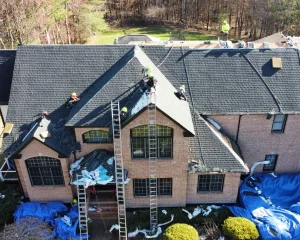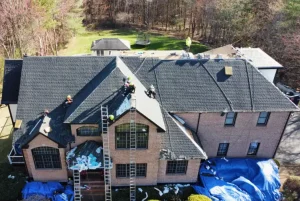
Understanding how often your roof needs to be replaced on your New Hampshire home is crucial for protecting your significant investment and maintaining peace of mind. With harsh weather conditions ranging from heavy snow and ice dams in winter to high winds and heavy rain throughout the year, your roof endures constant stress that affects its lifespan.
The answer to “how often does a roof need to be replaced” isn’t one-size-fits-all. The lifespan of your roof depends on various factors including the type of roof, quality of installation, climate conditions, and proper maintenance. This comprehensive guide breaks down roof replacement timelines for different roofing materials and helps you recognize when it’s the right time for action.
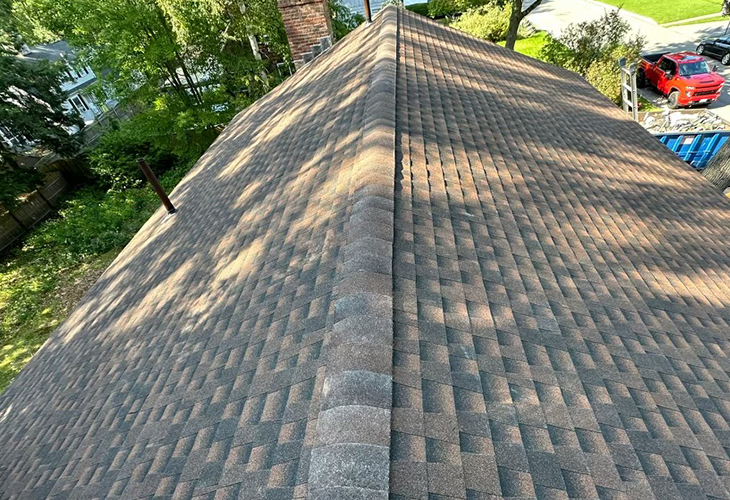
How Often Does a Roof Need to Be Replaced Based on Materials?
Different roofing materials offer varying lifespans, and knowing what to expect from your roofing system helps you plan for this major investment:
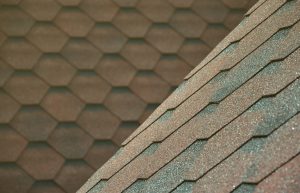
Asphalt Shingle Roof Installation (Most Common in NH)
- Average lifespan: 20-30 years
- Three-tab shingles: 15-20 years
- Architectural shingles: 25-30 years
- Premium or impact-resistant varieties may last longer with proper maintenance
Related: Architectural Shingles vs 3 Tab Shingles
- Average lifespan: 40-70 years
- Exceptional durability against strong winds and heavy snow
- Superior energy efficiency and minimal maintenance requirements
- Excellent long-run value despite higher initial costs
Cedar/Wood Roofs
- Average lifespan: 20-25 years
- Requires regular maintenance to prevent moisture buildup and deterioration
- Susceptible to damage from high humidity and extreme weather conditions
Tile Roofs (Clay Tiles/Concrete)
- Average lifespan: 50+ years
- Exceptional roof longevity but heavier roof structure requirements
- Superior aesthetic appeal and curb appeal
Slate Roofs
- Average lifespan: 75-100+ years
- Premium material with longest lifespan but highest new roof costs
- Requires specialized professional roofer with years of experience
How Often Does a Roof Need to Be Replaced: Factors That Impact Your Roof’s Lifespan
While knowing the average lifespan helps, several factors can significantly shorten or extend the life of your roof:
- Climate and Weather Exposure: New Hampshire’s severe weather conditions take a toll on roofing materials. Heavy snow loads, ice dams, high winds, and the freeze-thaw cycle all contribute to roof deterioration faster than in milder climates. Homes facing south may experience a shorter lifespan due to increased UV exposure affecting common roofing materials.
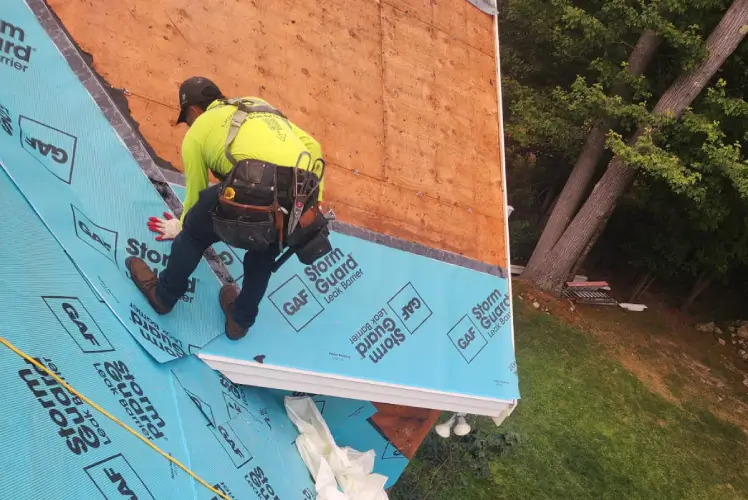
- Installation Quality: Proper installation by a reputable roofing contractor is the best practice for maximizing roof longevity. Poor workmanship leads to small leaks, water damage, and structural integrity issues that require costly repairs or premature full replacement.
- Maintenance Practices: Regular maintenance is essential for extending the lifespan of a roof. Regular inspections help identify missing shingles, water stains, and signs of wear before they escalate into significant damage. Prompt repairs prevent further damage and major repairs down the road.
- Ventilation and Insulation: Proper attic ventilation prevents moisture buildup, which causes roof deterioration and health risks from mold. Good ventilation also improves energy efficiency, reducing heating and cooling costs in the long run.
How Often Does a Roof Need to Be Replaced: Warning Signs Your Roof Needs to Be Replaced
Knowing when to act can prevent potential damage to your home’s interior and roof structure. Watch for these critical signs of damage:
- Missing or damaged shingles from storm damage or strong winds
- Frequent leaks indicating the roof’s condition has deteriorated
- Water stains on ceilings or walls suggesting water damage
- Sagging roof lines indicating serious structural integrity concerns
- Granules in gutters from asphalt shingles breaking down
- Daylight through roof boards in your attic
- Roof’s age approaching or exceeding expected lifespan
- Curling or buckling shingles showing advanced wear
- Ice dam damage compromising the roofing system
While minor professional roof repairs may address isolated issues, a failing roof with multiple problems typically requires full replacement as the best course of action.
Making the Right Decision
How Often Does a Roof Need to Be Replaced? A professional roof inspection from a reputable contractor provides a professional assessment of your roof’s integrity and the condition of your roof. Many companies offer free roof inspections to help homeowners understand their roofing project needs without immediate commitment.
Consider these factors when deciding between roof repairs and replacement:
- Extent and frequency of damage
- Your roof’s age relative to its expected lifespan
- Emergency repairs becoming more common
- Roof replacement costs versus ongoing major repairs
- Whether choosing the right roofing material now provides better value
- Impact on curb appeal and aesthetic appeal
- Your insurance company’s coverage for storm damage
Taking immediate action when signs of wear appear prevents costly repairs to interior spaces and protects your home’s structural integrity in good shape.
Ready for a Professional Inspection?
LionShield Roofing offers free roof inspections for NH homeowners. With over 20 years of experience serving Manchester and surrounding communities, our team provides honest assessments and quality workmanship. We’re GAF certified and offer 50-year product warranties with 10-year workmanship guarantees. Contact us today for your free inspection and discover why proper maintenance and timely replacement provide lasting peace of mind.